Review: Watercolor Christmas Book Clipart for Embroidery
As a designer who has spent countless hours digitizing and testing machine embroidery design files, I have learned that not every pretty image translates well to thread. When I first opened the Watercolor Christmas Book Clipart, my initial reaction was one of cautious optimism. The soft, blended hues and whimsical subject matter are undeniably charming, but charm alone does not make a viable embroidery project. I needed to determine if this asset could survive the mechanical reality of a needle punching through fabric while maintaining its artistic integrity.
For those of us running a craft business or selling on platforms as an Etsy seller, the difference between a bestseller and a return is often found in the details. This review breaks down how these Illustrations perform when moved from a digital screen to a tangible handmade product.
The Aesthetic Appeal and First Impressions
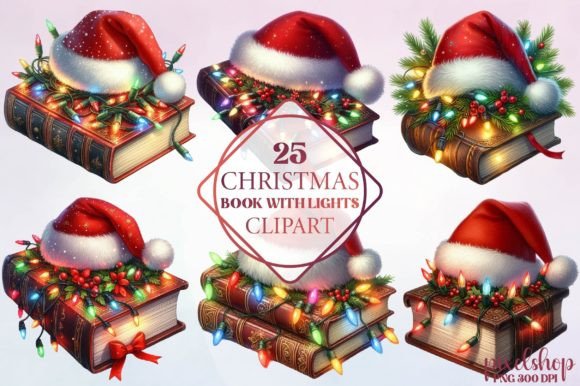
The visual personality of the Watercolor Christmas Book Clipart is gentle and nostalgic. It evokes the feeling of a quiet winter morning, which is a powerful mood for holiday marketing. However, watercolor effects are notoriously difficult to replicate in embroidery because they rely on gradients and transparency. Thread is opaque. To make this work, the design must rely on clever color blending rather than true transparency.
In my assessment, the layout is balanced, avoiding overly dense clusters that could cause puckering. The theme fits perfectly into the current trend of cozy, literary-inspired holiday decor. For a small shop product, this aesthetic signals quality and thoughtfulness, distinguishing your finished product from mass-produced items.
Real-World Application: The Holiday Tote Bag Test
To evaluate practicality, I simulated a common use case: a custom tote bag design for a local bookstore’s holiday promotion. I placed the clipart on a natural cotton canvas. The result was striking. The organic shapes of the book and surrounding elements complemented the texture of the canvas.
This type of holiday embroidery works exceptionally well on larger surface areas. On a tote bag, you have the space to let the design breathe. The thread colors need to be chosen carefully to mimic the watercolor bleed. Using variegated threads can help achieve that soft, painted look without requiring thousands of stitch changes. Customers reacting to such a item are likely to perceive it as a high-end personalized gift, increasing the perceived value of your small business merchandise.
Apparel and Wearables
Moving beyond bags, I considered sweatshirt embroidery. A crewneck sweatshirt provides a stable, thick background that supports moderate stitch density. The design looks sophisticated on the left chest or as a larger back print. However, caution is advised with custom apparel made from thinner materials. If you attempt this on a standard t-shirt, the weight of the stitches might distort the fabric unless a high-quality cut-away stabilizer is used.
For baby embroidery, such as on a onesie or blanket, the softness of the watercolor theme is ideal. Parents love subtle, artistic designs over loud, cartoonish graphics. Just ensure the hoop size is appropriate for the garment section you are stitching, and always test for skin sensitivity with the backing material.
Technical Challenges and Fabric Considerations
While the design is beautiful, it is not without its technical demands. Here is where experienced designers need to pay attention:
- Fabric Texture: On textured fabrics like terry cloth or heavy wool, fine details may get lost. The watercolor effect relies on smooth transitions, which rough textures can disrupt.
- Dark Fabric: If you plan to stitch this on navy or black fabric, you must account for the background. Without a proper underlay or applique base, the lighter thread colors may appear dull. An applique design approach, using a light fabric base under the stitches, might be necessary to preserve the vibrancy.
- Curved Surfaces: Stitching on caps or curved pillows requires careful hooping. The design should be centered precisely, as any distortion will be obvious on a rounded surface.
- Dense Stitch Areas: Check the stitch density in the darker areas of the book cover. If it is too dense, it can cause needle breaks or thread bunching. Always run a test on scrap fabric first.
Enhancing Brand Value and Customer Trust
Using high-quality design assets like the Watercolor Christmas Book Clipart directly impacts your brand consistency. When customers see a clean, well-executed design, it builds trust. It suggests that you care about the details. This is crucial for commercial embroidery clients who want their logo or message to look professional.
Furthermore, this design serves well in printable mockup previews. Because the original art is visually appealing, it makes your digital listings look attractive even before the item is stitched. This can drive higher click-through rates for your Etsy seller profile or online store.
Practical Designer Notes for Execution
Before you commit to production, follow these steps to ensure success:
- Test on Scrap Fabric: Never stitch directly on the final garment. Use the same fabric type and weight to check for puckering or registration issues.
- Check Thread Contrast: View your design in black and white. If the elements blend together too much, adjust the thread colors to ensure clarity.
- Verify Licensing: Confirm whether the digital embroidery file or clipart license allows for commercial use. If you are selling embroidered patch items or finished goods, you must have the right to sell the derivative work.
- Stabilizer Selection: Match your stabilizer to your fabric. For stretchy knits, use a cut-away. For woven cottons, a tear-away may suffice, but a cut-away offers more stability for detailed designs.
- Inspect Small Details: Zoom in on the digital file. Are there tiny isolated stitches that might pop out? Remove or merge them to prevent thread tails and loose ends.
In conclusion, the Watercolor Christmas Book Clipart is a strong contender for holiday collections. It bridges the gap between digital art and tactile craft. While it requires thoughtful execution regarding fabric choice and stabilization, the payoff is a unique, high-value handmade product that stands out in a crowded market. Whether you are creating boutique branding items or one-off wedding gifts, this design offers the versatility and charm needed to engage buyers and elevate your craft.