Reviewing Christmas Winter Deer Clipart for Embroidery
As an embroidery designer who has spent years translating digital concepts into tangible, stitched reality, I approach every new asset with a mix of curiosity and skepticism. We have all been there: downloading a cute graphic, only to realize it turns into a tangled mess of thread breaks and puckering once it hits the machine. Today, I am taking a close look at the Christmas Winter Deer Clipart, evaluating it not just as a pretty image, but as a functional component for real-world embroidery projects.
This piece falls under the category of Freebies, which always raises the question of quality versus cost. Is it suitable for commercial use? Will it hold up on a sweatshirt? Let’s dive into the practical details.
First Impressions and Visual Mood
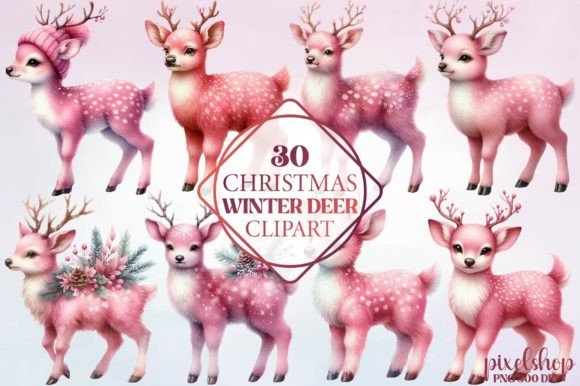
The first thing that strikes me about this Christmas Winter Deer Clipart is its serene, wintry aesthetic. It captures the quiet magic of the season without relying on overly chaotic elements. The silhouette of the deer is elegant, likely featuring antlers that provide natural opportunities for creative stitching techniques. For an embroidery project, this visual personality is crucial. It suggests warmth, nostalgia, and high-end boutique appeal rather than cheap, mass-produced holiday decor.
The layout appears balanced, which is essential for maintaining structural integrity during stitching. If the design is too top-heavy or has isolated floating elements, it risks distortion. From a reviewer’s standpoint, the clean lines suggest that this could work well as both a standalone motif or as part of a larger composition involving text or other winter elements like snowflakes or pine branches.
Real-World Application: The Custom Tote Bag Test
To truly understand the value of a design, I imagine it in a specific client scenario. Suppose I am preparing a custom embroidered tote bag for a local boutique’s holiday gift collection. The client wants something sophisticated yet festive. Here, the Christmas Winter Deer Clipart shines.
On a canvas tote, which has a sturdy fabric texture, this design would likely perform beautifully. I would recommend using a combination of satin stitch for the finer details of the antlers and face, and a fill stitch for the body to create depth and coverage. The contrast between the smooth satin and the textured fill adds visual interest that customers love. This isn’t just a handmade product; it becomes a statement piece. The deer motif elevates the perceived value, making the tote feel like a curated personalized gift rather than a generic item.
For Etsy sellers and small shop owners, this versatility is key. You can market it as part of a "Winter Wonderland" collection, appealing to buyers looking for unique holiday embroidery that stands out from the typical red-and-green clichés.
Performance on Different Fabrics and Items
Not all fabrics behave the same way, and a responsible designer must consider where this clipart might struggle. Let’s break down its performance across common substrates.
- Sweatshirts and Hoodies: This is a prime candidate for sweatshirt embroidery. The thick fabric provides a stable base. However, you must check the stitch density. If the design is too dense, it can make the garment stiff and uncomfortable. A lighter fill or strategic use of running stitch outlines can keep the fabric soft.
- Caps and Hats: Curved surfaces are tricky. The deer’s antlers might cause registration issues if the design is too wide. I would advise scaling it down and ensuring the center point is perfectly aligned. Use a strong stabilizer to prevent puckering on the structured front panel.
- Baby Clothes: For baby embroidery, comfort is paramount. Avoid scratchy threads or dense fills on areas that touch sensitive skin. This design could work well on a bib or a blanket border, provided you use soft rayon or polyester threads and test for durability after washing.
- Kitchen Towels and Aprons: These items undergo frequent washing and heat. Ensure your thread colors are colorfast. The Christmas Winter Deer Clipart would look charming on a linen apron, adding a touch of rustic elegance to holiday cooking.
Technical Considerations for Designers
Before you load this into your machine, there are several technical checks you must perform. Since this is offered as a freebie, documentation might be sparse. Do not assume the file is optimized.
- Check Stitch Density: Open the file in your editing software. Look for areas where stitches overlap excessively. High density leads to thread breaks and needle heating. Adjust if necessary.
- Verify Hoop Size: Ensure the design fits within your available hoop size. If it’s too large for your standard 4x4 hoop, you may need to resize it, which can distort proportions. Always maintain aspect ratio.
- Test on Scrap Fabric: Never stitch directly on your final product. Run a test on a similar fabric type. Check for puckering, gaps, or loose threads.
- Thread Color Contrast: This design likely relies on subtle shading. Test it on both light and dark fabrics. On dark fabric, you might need an underlay stitch to prevent the background from showing through the fill areas.
- Licensing Verification: This is critical for commercial embroidery. Just because it is a free download does not mean it is free for commercial use. Read the license terms carefully. Can you sell finished items? Can you include it in a digital bundle? If the terms are unclear, contact the creator or choose a different asset to protect your craft business.
Enhancing Brand Consistency and Customer Trust
Using high-quality design assets like this Christmas Winter Deer Clipart contributes significantly to brand consistency. When customers see crisp, well-executed embroidery, they trust the maker. It signals professionalism. Whether you are creating embroidered patches for a local club or custom apparel for a corporate holiday party, the clarity of the design reflects on your reputation.
For digital product sellers, this clipart can be used in printable mockups to showcase potential finished products. A realistic preview helps buyers visualize the end result, increasing conversion rates. However, ensure that the mockup accurately represents the stitch texture, not just a flat print.
Where to Use Caution
While versatile, this design is not without limitations. Avoid using it on extremely stretchy fabrics like jersey knits without proper cut-away stabilizer, as the shape may distort over time. Also, be cautious with very small hoop sizes if the design includes intricate details in the deer’s eyes or fur texture. Tiny details can get lost or become messy if the needle size is too large or the thread too thick.
If you are planning to use this as an applique design, ensure the placement lines are clear and the tack-down stitches are secure. Applique can simplify complex designs, but it requires precise cutting and positioning.
Final Verdict
The Christmas Winter Deer Clipart is a promising asset for designers who value mood and elegance. It fits naturally into the realm of holiday gifts and boutique branding. By paying attention to technical details like stabilizer choice, thread tension, and licensing, you can transform this digital file into a stunning physical product. Whether you are an experienced Etsy seller or a hobbyist making gifts for family, this design offers a solid foundation for creative expression. Just remember: test first, stitch second, and always respect the intellectual property rights associated with free resources.