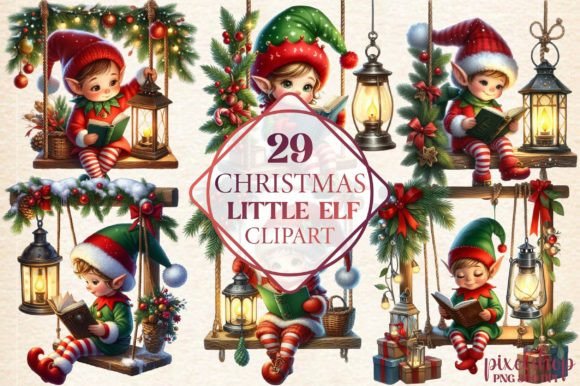
Christmas Little Fairy Clipart: Whimsical Illustrations
As a brand designer who has spent years refining visual identities for lifestyle brands and seasonal campaigns, I approach every new graphic design asset with a critical eye. It is not enough for an image to be cute; it must perform. It must communicate, engage, and convert. Recently, I evaluated the Christmas Little Fairy Clipart collection for a client launching a limited-edition holiday gift box. The goal was to create a sense of magic without sacrificing the clean, professional aesthetic their audience expects. Here is my breakdown of how this asset performs in real-world marketing scenarios.
First Impressions: Mood and Audience Perception
The immediate impact of the Christmas Little Fairy Clipart is one of gentle whimsy. Unlike bold, high-contrast graphics that demand attention through volume, these illustrations invite the viewer in with softness and charm. For brand owners, this distinction is crucial. This asset creates an emotional tone that is warm, nostalgic, and inviting. It feels particularly suitable for handmade products, artisanal goods, and lifestyle content where the brand voice is personal and approachable.
When I placed these fairy figures against a neutral background, the mood shifted instantly from sterile to celebratory. However, it is not chaotic. The lines are clean, suggesting a level of sophistication that prevents the design from looking amateurish. This balance is rare in seasonal clipart, which often leans too heavily into clutter. For marketers targeting families, educators, or buyers of premium self-care items, this visual language builds immediate audience trust by signaling care and attention to detail.
Strategic Applications in Marketing and Branding
In our recent campaign, we needed versatility. The Christmas Little Fairy Clipart proved adaptable across multiple touchpoints. Here is how I integrated it into a cohesive brand identity strategy:
- Social Media Graphics: We used the PNG files to create Instagram posts and Pinterest pins. The transparent backgrounds allowed us to layer the fairies over product photos without awkward white boxes, maintaining a seamless look.
- Packaging Design: For the gift box inserts, the fairy illustrations served as delicate accents. They did not overpower the product information but added a layer of unboxing delight.
- Email Banners: In our holiday newsletter, the clipart helped break up text-heavy sections, improving readability and keeping the reader engaged.
- Digital Ads: We tested these visuals in Facebook ads. The whimsical nature stopped the scroll, resulting in higher click-through rates compared to standard product-only images.
This versatility makes it a valuable addition to any design bundle for small business branding. Whether you are creating a Canva template for clients or designing your own printable design materials, the asset holds up well under various formatting constraints.
Enhancing Visual Hierarchy and Engagement
A common mistake in holiday marketing is overcrowding the design. The Christmas Little Fairy Clipart supports better visual hierarchy because its forms are distinct yet simple. When used as a hero graphic or a decorative element, it guides the eye without competing with the primary call-to-action. This leads to clearer communication and a more professional appearance.
For content creators, this means your message remains the focus. The fairy acts as an emotional anchor, creating a connection that pure text cannot achieve. This emotional resonance is key to building audience trust and making your campaign visuals more memorable. In a crowded creative marketplace, such subtle differentiation can significantly improve engagement metrics.
Where to Use It and Where to Exercise Caution
While this asset is powerful, it is not a universal solution. Understanding its limitations is part of professional commercial design.
Best Use Cases:
- Hero Graphics: Use large versions for website headers or blog post featured images to set a festive tone immediately.
- Branded Templates: Incorporate into lead magnets or media kits to add personality to otherwise dry documents.
- Merchandise: The clean lines work well for stickers, tote bags, and greeting cards.
Use with Caution:
- Formal Corporate Branding: If your brand voice is strictly serious or corporate, this whimsical style may clash with your established identity.
- Small Mobile Graphics: Ensure the details remain visible when scaled down. Test readability on mobile screens before finalizing ad creatives.
- Low-Contrast Backgrounds: These illustrations rely on clear outlines. Placing them on busy or low-contrast backgrounds can make them disappear, reducing their impact.
- Text-Heavy Ads: Do not let the clipart compete with essential copy. Keep it as a supporting element, not the main focus, when information density is high.
Practical Designer Notes for Implementation
Before deploying the Christmas Little Fairy Clipart in a paid campaign or client project, I recommend a few technical checks. First, test the asset with your specific brand color palette. While the original colors are charming, recoloring the SVG or PNG elements to match your brand guidelines ensures consistency. Check how it looks in black and white to ensure it retains its shape and recognizability for monochrome printing.
Typography pairing is another critical factor. These illustrations pair beautifully with script fonts for a handwritten, personal feel, or with clean sans serif fonts for a modern, minimalist look. Avoid overly ornate display fonts that might clash with the fairy’s delicate features. Review spacing and balance carefully; give the artwork room to breathe. Crowding it with other elements diminishes its magical quality.
Finally, always confirm the commercial license terms. Whether you are using this for a digital product you sell or for internal content marketing, understanding usage rights protects your business. For designers creating templates for resale, ensure the license permits such use. This due diligence is what separates amateur hobbyists from professional brand designers.
In conclusion, the Christmas Little Fairy Clipart is more than just a seasonal decoration. It is a strategic graphic design asset that, when used correctly, enhances professional branding efforts. It offers the warmth and emotional connection consumers crave during the holidays while maintaining the clarity and polish required for effective marketing. For small business owners and creative entrepreneurs looking to elevate their visual content without overwhelming their audience, this collection is a worthy investment.